
What Is the California Handgun Roster?
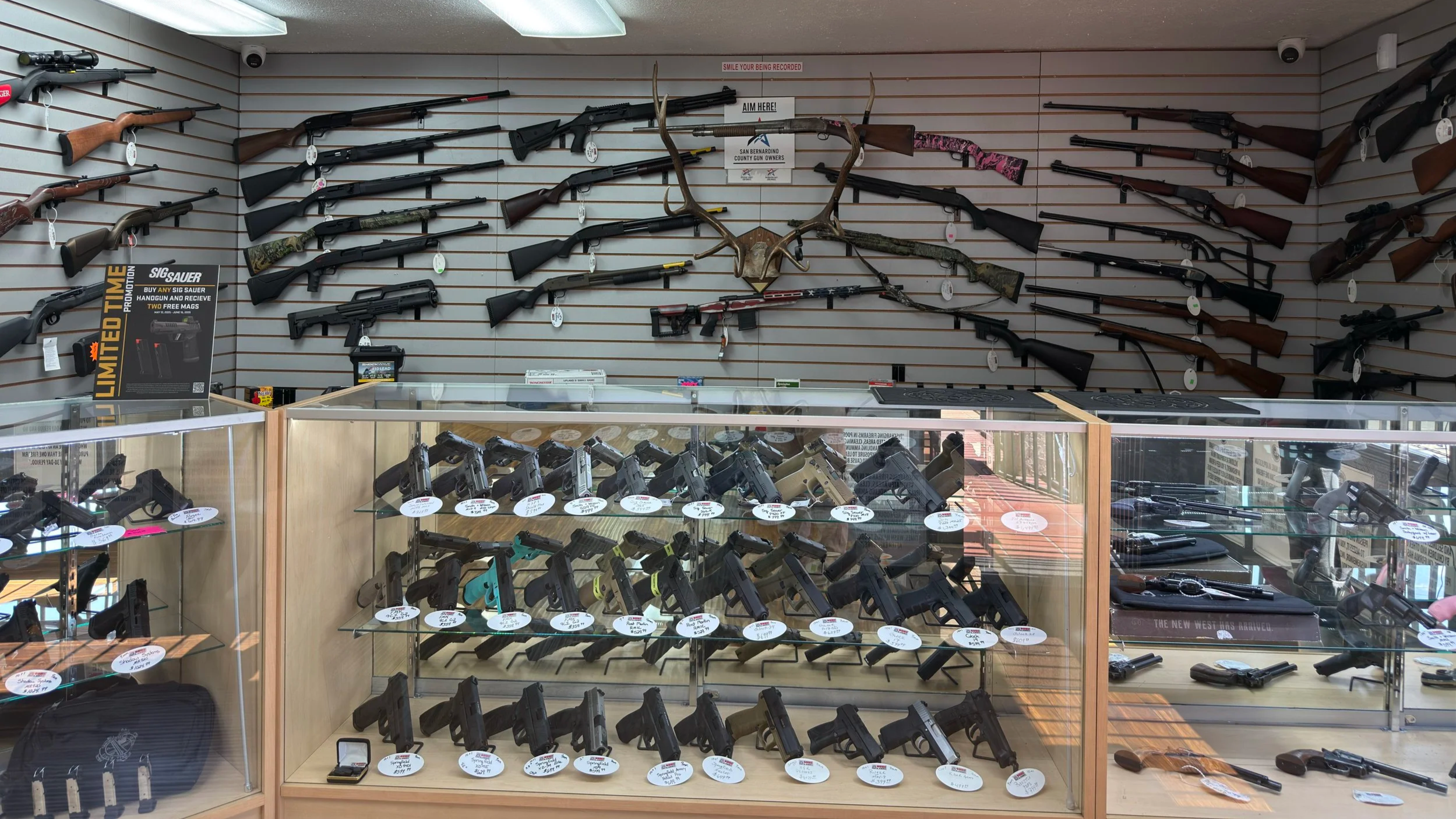
What Is the California Handgun Roster?
If you are shopping for a handgun in California, you may hear the phrase “California handgun roster” pretty quickly. For many first-time buyers, this can be confusing because a handgun that is legal in another state may not be available for regular dealer sale in California.
The California handgun roster is officially called the Roster of Handguns Certified for Sale. It is maintained by the California Department of Justice and lists handgun models that are certified for sale by licensed dealers in California. According to the DOJ, since January 1, 2001, most handguns must pass required firing, safety, and drop tests before they can be sold, offered for sale, imported for sale, or kept for sale by a dealer in California.
At Route 66 Guns & Ammo, we help customers understand what is actually available in California before they waste time looking for a handgun that cannot be sold through a regular dealer transaction.
What Does the California Handgun Roster Do?
The roster controls which handgun models a California firearms dealer can generally sell to the public.
In simple terms, a handgun usually needs to be listed on the roster before a California dealer can sell it as a new handgun to a regular customer. The roster is model-specific, which means one version of a handgun may be approved while another version of the same brand or series may not be.
For example, a manufacturer may have several versions of the same pistol, but California may only approve certain model numbers, finishes, calibers, or configurations. That is why it is important to check the exact model, not just the brand name.
Why Are Some Handguns Not on the Roster?
A handgun may be off-roster for several reasons. It may not have been submitted for California testing, it may not meet California’s requirements, or the manufacturer may have chosen not to keep that specific model listed.
That does not always mean the handgun is illegal to own. It usually means it cannot be sold to the general public by a California dealer as a normal new handgun sale.
This is one of the biggest misunderstandings about the roster. “Not on the roster” and “illegal” are not always the same thing. The roster mostly affects how a handgun can be sold or transferred in California.
Does the Roster Apply to Every Handgun Transfer?
No. The California DOJ states that certain transactions are exempt from the roster requirement, including private party transfers, curio and relic handguns, certain single-action revolvers, and pawn or consignment returns.
That means there are situations where an off-roster handgun may still be transferred legally through a California FFL. However, those situations depend on the type of transaction, the firearm, and the buyer’s eligibility.
For most customers buying a new handgun from a dealer, the safe assumption is this: the handgun needs to be on the California handgun roster.
What About Law Enforcement Exemptions?
California has certain roster exemptions for authorized peace officers and specific public agencies. The DOJ explains that rules vary depending on the agency group, the buyer’s status, and resale restrictions.
For the average California buyer, these exemptions usually do not apply. If you are not sure whether an exemption applies to your situation, it is best to speak with the dealer before starting the purchase process.
The Roster Can Change
The California handgun roster is not frozen forever. Handguns can be added, removed, or expire from the roster. The DOJ also keeps a list of recently added and recently removed handgun models. Its recently added page shows new roster additions and the date they were added.
This matters because a handgun that was unavailable before may become available later. On the other hand, a handgun that used to be on the roster may no longer be approved for regular dealer sale if its certification expires or is removed.
Before ordering or purchasing a handgun, always confirm the current roster status.
How to Check If a Handgun Is on the California Roster
The best way to check is by using the California DOJ’s official roster search. The DOJ’s Bureau of Firearms page links directly to the Roster of Handguns Certified for Sale.
When checking the roster, pay attention to:
Manufacturer
Exact model number
Caliber
Barrel length
Finish or version
Expiration or current listing status
Do not rely only on a photo or product name from a national website. Many online retailers list handguns that are legal in other states but not available for regular dealer sale in California.
Can Route 66 Guns & Ammo Help Me Find a California-Compliant Handgun?
Yes. If you are looking for a handgun in California, we can help you figure out which models are roster-approved and available.
This can save you time, especially if you found a handgun online and are not sure whether it can be shipped to a California FFL. In many cases, it may be easier to contact us first so we can help check availability, roster status, and ordering options.
We can also walk you through the rest of the California handgun buying process, including the Firearm Safety Certificate, DROS paperwork, background check, required documents, and the 10-day waiting period.
Final Thoughts
The California handgun roster is one of the most important rules to understand before buying a handgun in California. It determines which handgun models a licensed dealer can usually sell to the public, and it can make shopping more confusing if you are comparing California inventory to out-of-state websites.
The easiest way to avoid problems is to work with a California firearms dealer who understands the roster and can help you check the exact model before you buy.
If you are in Barstow or the High Desert area, visit Route 66 Guns & Ammo and we can help you find a handgun that fits your needs and complies with California requirements.
FAQ
-
The California handgun roster is the DOJ-maintained list of handgun models certified for sale by licensed dealers in California.
-
For a normal new dealer sale, usually no. However, some transfers may be exempt, such as certain private party transfers, qualifying curio and relic handguns, and other limited situations.
-
It depends on the type of transaction. Some used handguns may be transferred through private party transfers even if they are not on the roster, but the transaction still has to comply with California law and go through the proper FFL process.
-
Because the roster is model-specific. A handgun brand or series may have several versions, and only certain versions may be approved for sale in California.
-
The California DOJ website has the official Roster of Handguns Certified for Sale. A California FFL can also help you confirm whether a specific handgun is currently roster-approved.